

Chronic Disease Awareness Month: Common Conditions, Risk Factors, and Prevention Tips

July is Chronic Disease Awareness Month, a time to bring greater attention to the long-term health conditions that affect millions of people across the United States. Chronic diseases can shape a person’s daily life, influence long-term care needs, and place significant demands on healthcare systems. Building chronic disease awareness helps patients, families, and providers recognize risks earlier, encourage preventive care, and support better outcomes through timely diagnosis and ongoing management.
UV Safety Awareness Month: The Link Between UV Exposure and Skin Cancer Risk

Every July, UV Safety Awareness Month brings attention to the serious health risks linked to ultraviolet (UV) radiation. While sunshine can support outdoor activity and overall well-being, unprotected UV exposure can damage the skin and eyes over time. That damage can increase the risk of skin cancer, premature skin aging, sunburn, cataracts, and other UV-related eye conditions.
Juvenile Arthritis Awareness Month: A Guide to Diagnosis, Treatment, and Support

Every July, Juvenile Arthritis Awareness Month brings attention to a reality many families do not expect: arthritis can affect children, too. While many people associate arthritis with aging or joint wear and tear, juvenile arthritis is different. It refers to a group of autoimmune and inflammatory conditions that can affect children and teens, often causing joint pain, swelling, stiffness, fatigue, and changes in mobility.
How to Reduce Diagnostic Errors in Radiology Reporting with Subspecialty Teleradiology Support

For hospitals, urgent care centers, imaging facilities, and private practices, improving report turnaround time is not simply about reading studies faster. It requires the right combination of radiologist availability, subspecialty expertise, workflow integration, operational accountability, and scalable coverage. That is where Specialty Teleradiology as a Service, or sTAAS, from Specialty Focused Radiology can make a measurable difference.
How to Improve Radiology Reporting Turnaround Times (TAT) with sTAAS

For hospitals, urgent care centers, imaging facilities, and private practices, improving report turnaround time is not simply about reading studies faster. It requires the right combination of radiologist availability, subspecialty expertise, workflow integration, operational accountability, and scalable coverage. That is where Specialty Teleradiology as a Service, or sTAAS, from Specialty Focused Radiology can make a measurable difference.
How Seamless PACS and EHR Workflow Integration Reduces Radiology Admin Burden
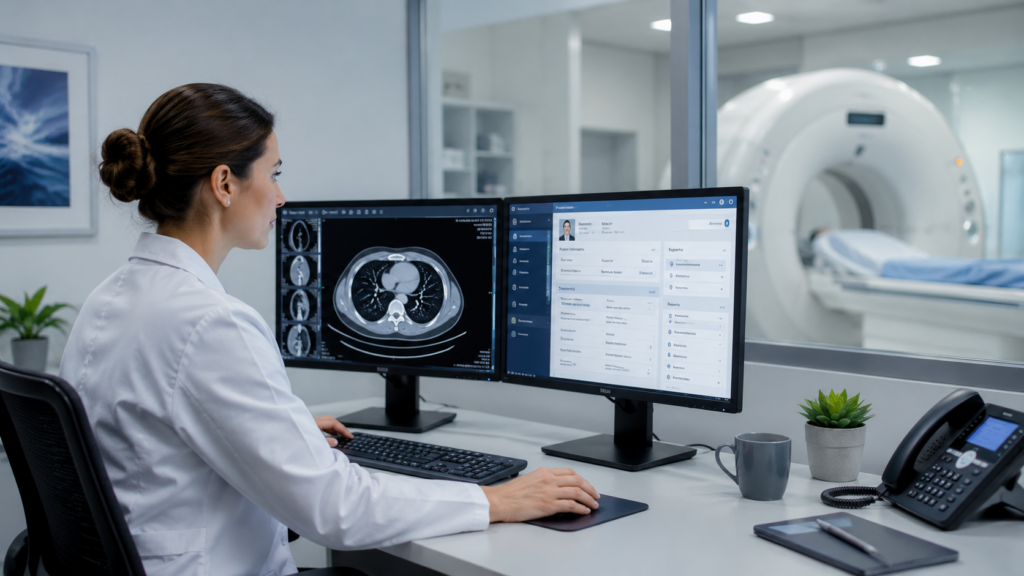
Radiology teams are under growing pressure to deliver faster imaging interpretations, support more care sites, manage rising exam volumes, and maintain reporting accuracy without adding unnecessary administrative friction. For many hospitals, urgent care centers, imaging facilities, and private practices, one of the most effective ways to relieve that pressure is through better alignment between PACS and the EHR workflow.
What Is Radiology PACS and How Does It Improve Medical Imaging Workflows?

Modern radiology depends on speed, accuracy, secure image access, and smooth communication between clinical teams. When a patient receives an X-ray, CT scan, MRI, ultrasound, PET scan, or mammogram, those images need to be stored, reviewed, shared, compared, reported, and protected. That is where a radiology PACS becomes essential.
The Most Common Radiology Subspecialties and What They Diagnose

Radiology plays a central role in modern healthcare. From identifying fractures in the emergency room to detecting early-stage cancer, diagnostic imaging helps clinicians make faster, more informed decisions. But radiology is not a single, one-size-fits-all field. Many radiologists pursue advanced expertise in specific areas of the body, patient populations, or imaging techniques.
How to Improve Healthcare in Rural Areas With Specialty Teleradiology
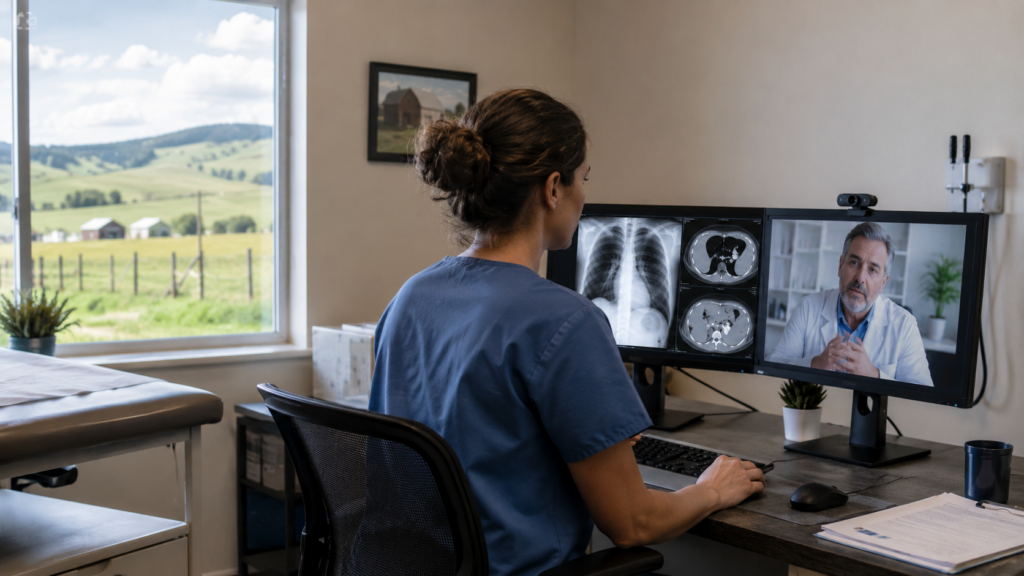
Rural hospitals, urgent care centers, imaging facilities, and private practices need reliable clinical support that helps patients receive timely, accurate care without unnecessary travel or long diagnostic delays. One of the most effective ways to strengthen rural healthcare access is through specialty teleradiology.