

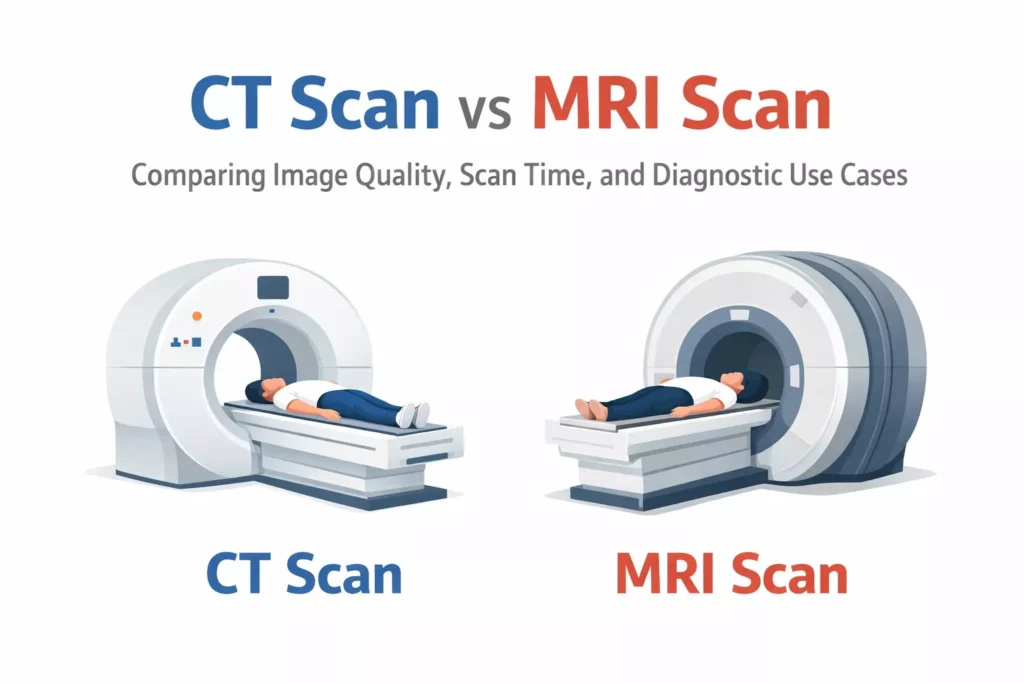
A chest X-ray (CXR) is one of the most widely used diagnostic imaging tools in medicine. It offers a fast, noninvasive look Medical imaging plays a critical role in modern diagnosis and treatment planning. Among the most commonly used imaging modalities are computed tomography (CT) scans and magnetic resonance imaging (MRI) scans. While both produce detailed internal images of the body, they differ significantly in how they work, the type of image detail they provide, how long scans take, and the clinical situations in which they are most effective.
This CT scan vs MRI comparison is designed to help healthcare professionals, administrators, and imaging decision-makers better understand the strengths and limitations of each modality and determine which option is most appropriate for specific diagnostic needs.
Understanding the Basics: MRI vs CT Scan
Before diving into a side-by-side comparison, it’s helpful to understand what each scan is designed to do.
- CT (Computed Tomography) scans use X-ray technology combined with computer processing to generate cross-sectional images of the body.
- MRI (Magnetic Resonance Imaging) scans use powerful magnets and radiofrequency waves to produce highly detailed images of soft tissues.
Although both are noninvasive, their underlying technologies and clinical applications differ considerably.
How They Work: CT Scan vs MRI Technology
How a CT Scan Works
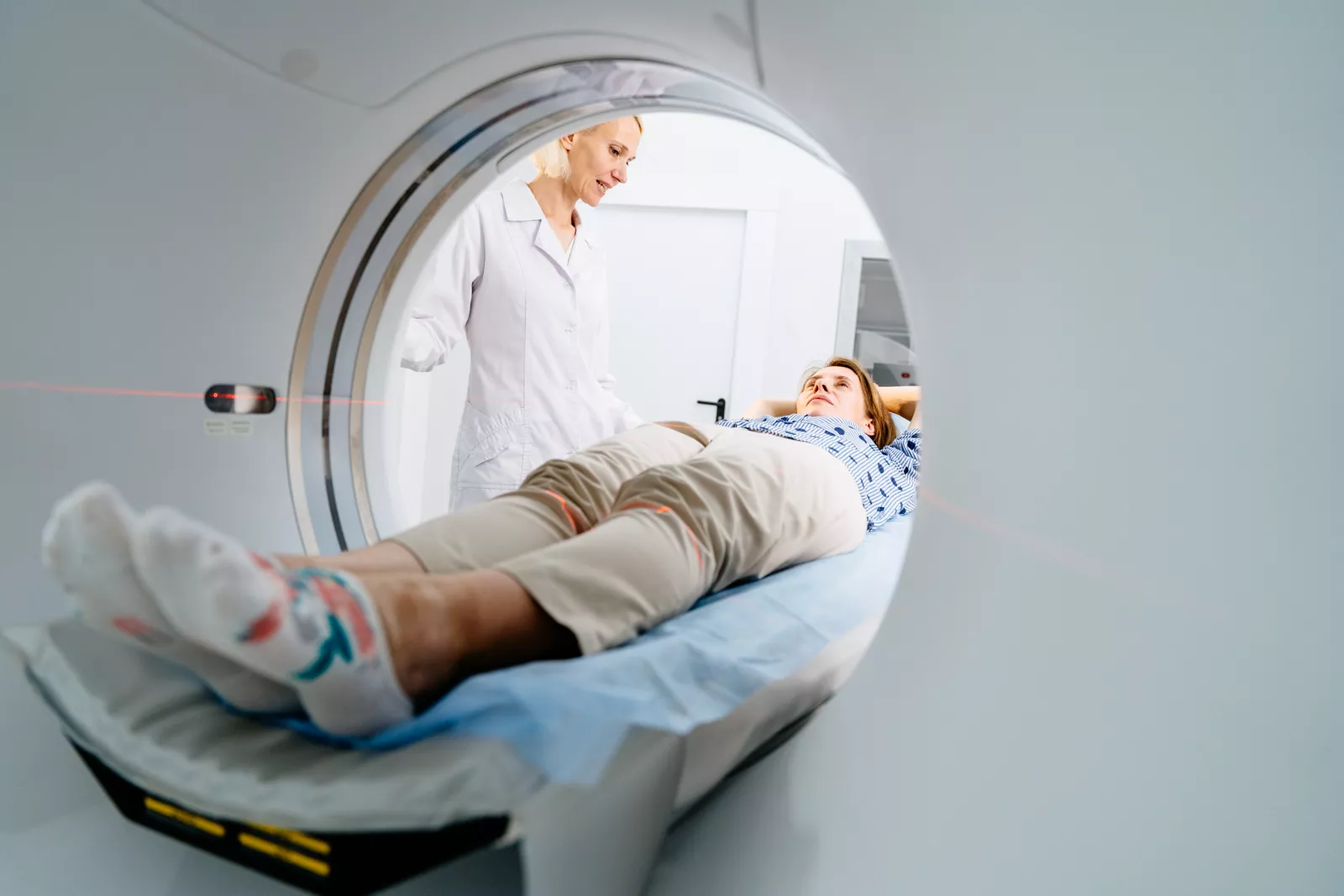
A CT scanner rotates an X-ray beam around the patient, capturing multiple images from different angles. These images are reconstructed into detailed slices, allowing radiologists to visualize bones, organs, blood vessels, and injuries quickly and efficiently.
CT scans often use contrast material to enhance visibility of certain structures, especially in trauma or vascular imaging.
How an MRI Scan Works
An MRI scanner uses a strong magnetic field to align hydrogen atoms in the body. Radiofrequency pulses disrupt this alignment, and the energy released as the atoms return to normal is used to create detailed images—particularly of soft tissues.
MRI scans do not use ionizing radiation, making them an important option in specific patient populations.
Image Quality Comparison: CT Scan vs MRI
Image quality is one of the most important differences when comparing MRI vs CT scan capabilities.
| Best For | Bone, lungs, trauma, bleeding | Soft tissue, brain, joints, spine |
| Soft Tissue Detail | Moderate | Excellent |
| Bone Visualization | Excellent | Limited |
| Radiation Exposure | Yes (X-ray) | No |
| Contrast Resolution | Lower | Higher |
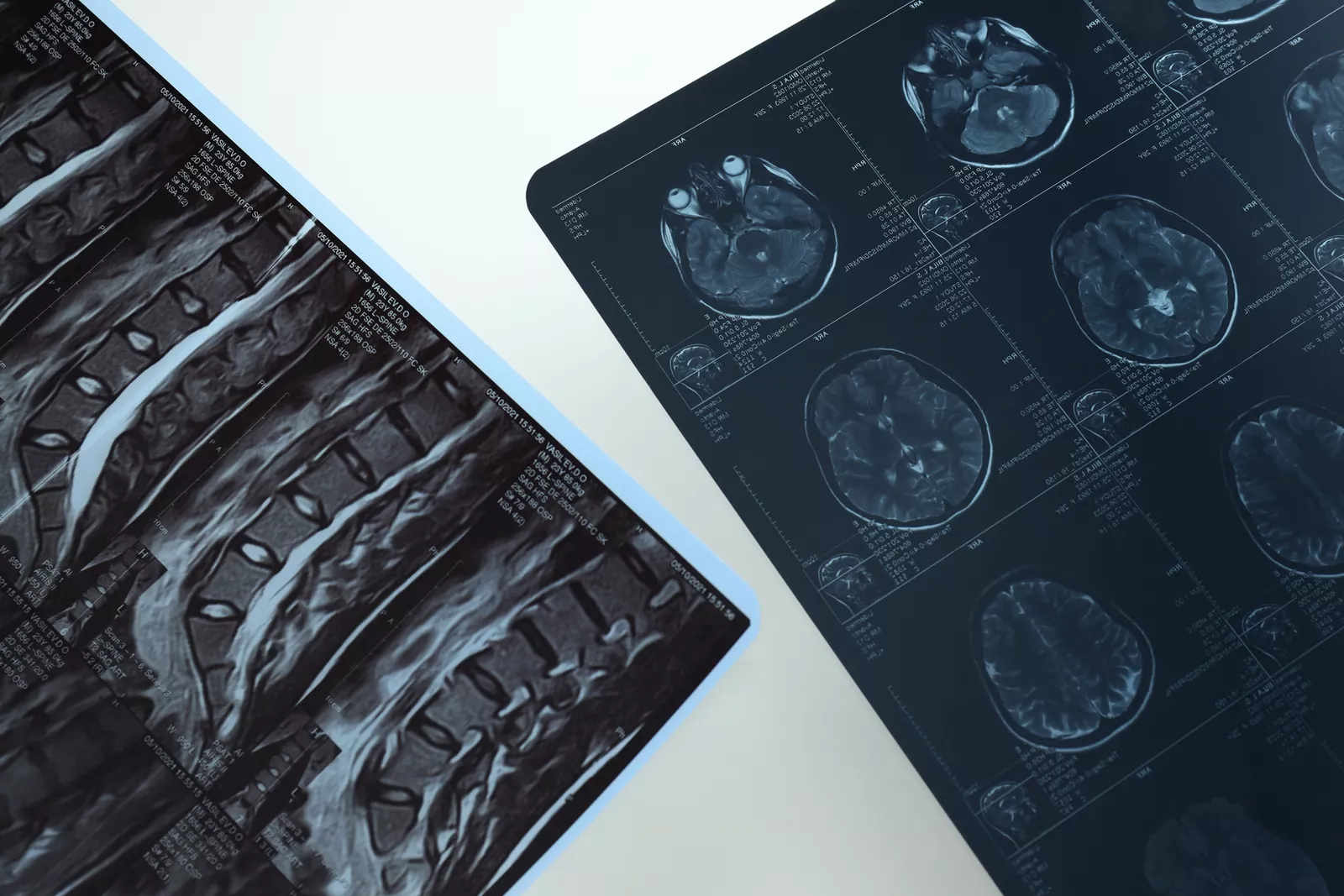
MRI scans provide superior contrast resolution, making them ideal for neurological, musculoskeletal, and soft-tissue imaging. CT scans excel in detecting fractures, internal bleeding, and chest or abdominal emergencies.
Scan Time: CT Scan vs MRI
Scan duration is another key differentiator between these two modalities.
CT Scan Speed
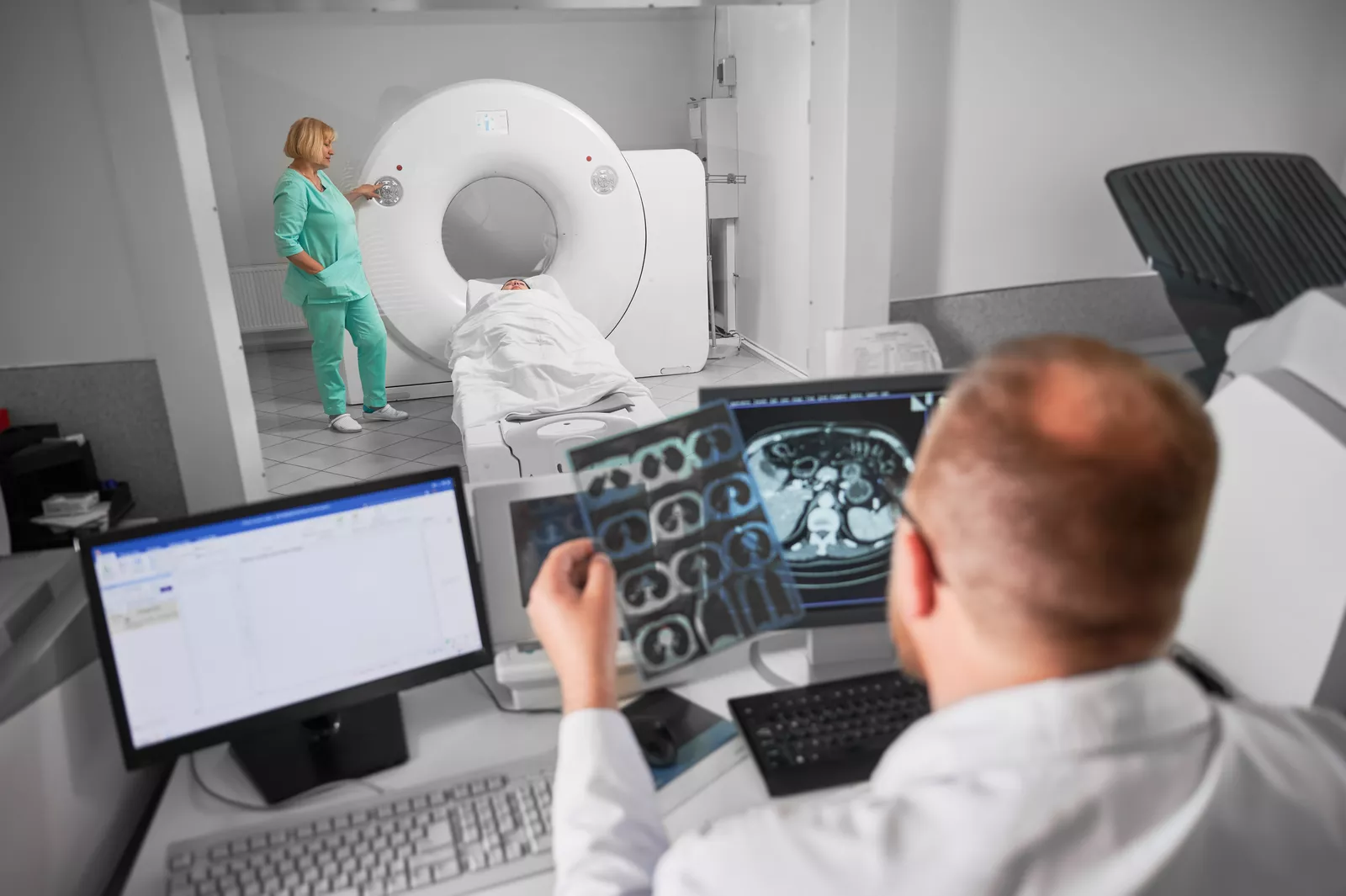
CT scans are fast, often completed in just a few minutes. This speed makes CT the preferred option in emergency departments, trauma cases, and situations where patients cannot remain still for long periods.
MRI Scan Duration
MRI scans typically take longer, ranging from 20 minutes to over an hour depending on the study. Because MRI requires patients to remain very still, scan time can be a limiting factor for certain populations, including pediatric, claustrophobic, or critically ill patients.
Diagnostic Use Cases: When to Choose MRI vs CT Scan
Choosing between a CT scan and an MRI scan depends largely on the clinical question being asked. In many cases, CT and MRI are complementary rather than competitive, with each providing valuable diagnostic insight at different stages of care. The decision between CT scan vs MRIdepends on factors such as:
- Clinical urgency
- Area of the body being examined
- Required level of tissue detail
- Patient condition and contraindications
- Availability and workflow considerations
Common CT Scan Use Cases
- Trauma and emergency imaging
- Suspected fractures
- Stroke evaluation (acute phase)
- Lung and chest imaging
- Abdominal pain and internal bleeding
Common MRI Scan Use Cases
- Brain and spinal cord imaging
- Joint and ligament injuries
- Soft-tissue tumors
- Neurological conditions
- Chronic musculoskeletal pain
Accurate interpretation by experienced radiologists is essential to ensure optimal diagnostic outcomes, regardless of the modality used.mplex thoracic conditions. Our teleradiologists excel at identifying subtle abnormalities, delivering clear and timely reports, and supporting clinicians with actionable diagnostic guidance. With deep expertise in thoracic imaging, we ensure precision and consistency in every chest X-ray interpretation.
Specialty Focused Radiology: Expert Imaging Interpretation You Can Trust
At Specialty Focused Radiology, we provide professional radiology reading, interpretation, and reporting services delivered by board-certified radiologists with subspecialty expertise. Our team supports hospitals, urgent care centers, imaging facilities, and private practices across the United States with timely, accurate, and clinically relevant radiology reports.
We understand the nuances of both CT and MRI imaging and ensure that every study—whether routine or complex—is interpreted with precision, consistency, and clinical insight. Our commitment to quality, turnaround time, and collaboration helps healthcare providers deliver better patient care.
Choose the Right Partner for CT and MRI Interpretation
Understanding the differences between MRI vs CT scan technology helps providers select the right imaging modality—but expert interpretation is what transforms images into meaningful diagnoses.
If your organization is seeking reliable, high-quality radiology interpretations for CT scans, MRI scans, or both, Specialty Focused Radiology is here to help.
Contact us today to discuss your imaging needs, learn more about our teleradiology services, and get started with a trusted partner dedicated to diagnostic excellence.
FAQs
What is the main difference between a CT scan and an MRI scan?
The primary difference between a CT scan vs MRI is how images are created. CT scans use X-ray technology to produce fast, detailed images, while MRI scans use magnetic fields and radio waves to generate highly detailed soft-tissue images without radiation.
Is an MRI or a CT scan better?
Neither imaging modality is universally better—MRI vs CT scan depends on the clinical purpose. CT scans are preferred for trauma, fractures, and emergency imaging, while MRI scans are ideal for soft tissue, neurological, and musculoskeletal evaluations.
When is a CT scan preferred over an MRI scan?
A CT scan is often preferred in emergency situations, trauma cases, and when evaluating bones, lungs, or internal bleeding. Its speed and availability make it ideal for urgent diagnostic needs.
When should an MRI scan be used instead of a CT scan?
MRI scans are typically used when detailed soft-tissue imaging is required, such as for neurological conditions, joint injuries, or spinal disorders. MRI is also useful when avoiding radiation exposure is a priority.
8 Responses